New Holiday Traditions for New Times

Fall is in the air. We are ready for pumpkin spices, sparkling holiday lights and enjoyable moments with families and friends, BUT

These are new times. Holidays in the last few years have been different. After all, we all want to stay safe from COVID-10 and the flu.

So, how do we celebrate the holiday and still protect ourselves and our loved ones?

Here are some ideas to start your own creative ideas flowing.

Keep many of your familiar traditions.

  • Holiday meals with people who live with you

Plan favorite foods that bring back the sights and tastes of holidays past. The group may be smaller than last year, but the nostalgia will be the same.

  • Holiday decorations, cards and phone calls

Making homes special for a holiday and sharing greetings bring joy to holidays. Have you always had a jack-o-lantern or sent cards? Consider even more decorations, cards and calls this year to create holiday feelings and adjust for some of the distancing you may be feeling.

  • Gifts, food and flowers delivered to the door of loved ones

Doing for others is a special part of holidays. You can still share special treats; just stay at a distance.

  • In-person outdoor visits with people who are symptom free

Some people may choose to have time together, face to face. An outdoor heater and spiced tea will make this comfortable when the temperature drops. Of course, if choose to meet in person, be sure to wear masks, stay at least six feet apart, and wash often. Remember “Safety First!”

Create new traditions that fit today’s needs.

  • Holiday meals, decorating and sharing gift opening – at a distance, at the same time

Decide on a time to meet online and enjoy seeing each other celebrate.  Zoom, HouseParty and other digital platforms let you have dinner together, share holiday songs and candle lighting, and watch the delight of folks as they open gifts.

  • Holiday movies, concerts and travel

Invite your loved ones to download an online video of a favorite holiday movie, decorations from around the world or a holiday concert. Ask everyone to watch the program at the same time you do. Call during or after the show to chat about what you saw.

  • Sharing your favorite recipes or decorating tips

Use your phone or tablet to record you setting up a holiday display or baking special cookies. Send the video to your loved ones. Put  your phones on speaker mode and  talk them through the steps of the project while they try it out

What are your creative ideas for new traditions for new times? Sharing your ideas with others is, in itself, a way to enjoy the holidays this year.

For support during social distancing and more ideas for staying connected, join The Age Coach’s weekly online conversations. Contact TheAgeCoach@gmail.com for information.
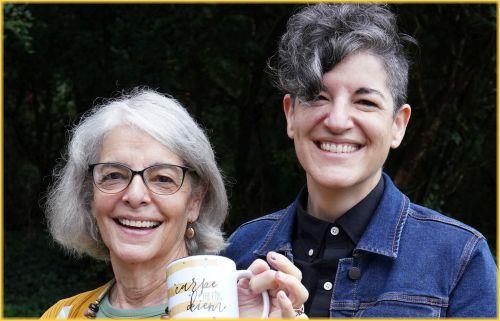
Inviting You to Holding Space: Supporting People in Pain

When we are in pain, uncertainty, grief…
having space held for us
reduces the suffering of isolation and supports us in our challenges.

We sometimes back away from those in pain
because we don’t know what to say…
because we fear hurting them with the wrong words…
because their pain stirs our own fears so profoundly.

Let’s talk about finding words and actions that support others when they are challenged.

Join a conversation with me and Business and Empowerment Coach, SB Rawz, The conversations will be 45 minutes, confidential…and free.

Sunday, November 19, 11:00 AM EST

Wednesday, December 6, 3:00 PM EST

Monday, December 11, 8:00 PM EST

RSVP at calendly.com/sbrawz/holding-space or to me at TheAgeCoach@gmail.com

Winter! Hot Chocolate with Tiny Marshmallows

A cup of hot chocolate with tiny marshmallows, soft music in the background and frost on the windows.

Sounds like a Hallmark winter!

But we need even more for a happy and healthy winter.

As the temperatures fall, it’s important to be intentional about navigating the season. The same activities that make us smile can also protect our bodies and brains.

  • Eat well: Hot chocolate warms the body. Stews and soups, full of vegetables and healthy broth, provide an easy recipe for strength, nutrition, and warmth.
  • Stay hydrated: Add herbal teas and some coffee for warmth and to help blood cells carry nutrients and oxygen to all parts of the body and brain. Fluids have a positive impact on heart health, cognitive alertness, fighting infection…and so much more.
  • Be warm: Maintaining body heat becomes more difficult with age. Layer textured or silky t-shirts under a shirt, topped with a light sweater for inside and a jacket for outside. Thin layers close to the body reserve body heat.
  • Monitor safe travel: Check on the possibility of snow or ice. Plan ahead for someone to clear paths around your house or, better yet, to deliver what you need.
  • Exercise: Exercise is important for the health of the body and brain, but long walks, tennis and a pickup ball game may be out of the question. Winter is a good time, though, to go to the gym for classes to strengthen all parts of the body, challenge the brain, and socialize.
  • Complete a project: Gardening and outside repairs may not be fun in the cold, but you can pick up a project that has been on your mind: organizing photos, thinning out bookshelves, making decisions about household items you haven’t used in years.
  • Learn: What a fine time to settle in with books you have been meaning to read or to learn to play the guitar that is sitting in the corner. Classes at community centers and online offer seemingly unlimited choices for learning new information and skills.
  • And most importantly, socialize: Plan times for long coffees with friends, make regular phone calls, go to community events. Being with people you enjoy can lead to healthier bodies and brains.

Winter can be a “Hallmark moment” when we navigate the season with activities that make us smile.

Would you like to talk about new ways that you…or someone you are caring for… can stay active, healthy and “enjoying life’s hot chocolate”? Contact Dr. Cheryl Greenberg at TheAgeCoach@gmail.com.

Feeling a Little Discouraged by Virus Concerns? Sing a Song!

“I don’t sing because I’m happy; I’m happy because I sing.” – William James

What a great thought! We are looking for ways to feel happy and engaged while still coping with pandemic concerns and rules. How about singing?

If music is not a big part of your life, consider this:

  • Singing familiar songs reduces stress: Breaking into song signals the brain to send hormones (endorphins) through your brain and body that make you feel more content and less stressed. And as researchers have shown, decreasing stress improves overall health and longevity!
  • Singing connects you to pleasant memories: Even people who have concerns about how well they remember find that songs from their childhood or their first love come back to them when they sing, with all the words and feelings they had when they were younger.
  • Singing improves brain function: When you sing, you use many parts of your brain and build new pathways between the cells in your brain. This improves your ability to remember and increases your brain’s “reserve” for remembering in the future.
  • Singing can increase social interactions: Singing in a choir or singing at home with family is not only fun but gives you a chance to build social connections. People who have close bonds with others are happier and healthier.
  • Music has a direct impact on mood and wellness; it has been shown to ease pain, shorten recovery time from illness, and lift feelings of anxiety and depression: How about singing out loud or listening to a favorite playlist?
  • And let’s add some movement to increase the benefits: Tapping your feet, swaying to the rhythm, or whirling around the room with your best version of Beyoncé or Mozart is terrific for the brain and body. Each time you move to music, challenging your brain to coordinate dance steps and melodies, you exercise your muscles, build cardiovascular health and improve your ability to  remember and think.

Singing, dancing  . . . music in general . . . are good for your health, enjoyable, and with the challenges of the pandemic, a particularly helpful way to reduce stress!

Dr. Cheryl Greenberg works as a coach, or guide, for seniors and their families as they consider and plan for changes in their lives. During the pandemic, she leads support groups to help folks stay engaged in creative ways. To join a group or coach with Cheryl, contact her at TheAgeCoach@gmail.com or 336-202-5669.

Socializing Safely Today

We know that having regular, caring and stimulating social contact is vital to older adults’ (and everyone else’s!) physical and cognitive health. Sometimes, though, we have to figure out how to stay in touch when visits aren’t possible.

Right now, visiting is inadvisable for many. So, what can children and other caring people do? How creative can you be?

Here are some ideas to start the creativity ball rolling:

  • Help your loved one use digital platforms, such as Facetime or Skype; then have “face to face” conversations.
  • Send text messages full of loving emojis.
  • Email digital greeting cards and photographs.
  • Arrange for delivery of your loved one’s favorite prepared (and safe) meals.
  • Place a bucket of pansies or tulips outside a window to color the view.
  • And, of course, call often. Regular calls, even several short ones during the day, will help your loved one socialize from a distance.

The Gift of Caregiving

A Caregiver’s Story

For several years, Taylor took care of her mother, Rebecca, who had Alzheimer’s Disease. Taylor made sure that her mother was fed, bathed and dressed, had her medical needs met, and took part in activities she enjoyed. Caregiving was a 24/7 responsibility.

When Rebecca passed away, a close friend said kindly, “Taylor, you are a saint. You took excellent care of your mother for such a long time.” Taylor, however, smiled at her friend and said “This wasn’t about being a saint. Sure, it was stressful to be responsible for my mother’s needs and it was heartbreaking to see her decline. But in the end, I felt that having the opportunity to care for my mom was a gift for me.”

Caregiving: A Gift

Taking care of a person who has a disability is critically important. Providing meals, grooming, medical care, therapy and companionship make an enormous difference in the quality of the “caree’s” (the loved one or client) life. What is not as obvious is the impact of caregiving on the caregivers themselves. Caregiving is stressful, time consuming and costly, but it can also be the source of satisfaction, selflessness…and a gift.

How to See Caregiving as a Gift

Each caregiver sees the positive in different ways. However, there are some general guidelines for focusing on how caregiving enriches lives.

  • Notice the positive moments: Focus on the times your caree can’t explain why he is agitated, but you figure out what he needs and make him comfortable; the times when you enter the room and your caree breaks into an ear-to-ear smile; the times that you help your loved one enjoy a lovely spring day or reminisce about his childhood.
  • Feel their love and appreciation: Focus on the ways your caree gives and receives a hug, delights in a favorite cupcake you take to her, or uses words and gestures to say how special you are in her life.
  • Think about your relationship: Are you “giving back” to a parent who cared for you throughout your life? Are you establishing a new bond with a loved one by using words, gestures or just being nearby? Are you getting to know a person with their own unique personalities?
  • Celebrate your abilities: Recognize and congratulate yourself for being able and willing to take on caregiving. Not everyone can do this. You can and did!

After months or years of providing support, the caregiver can look back on having contributed to a loved one’s healthier and more satisfying quality of life. What greater gift can the caree and the caregiver receive?

Would you like help with caregiving? Contact Dr. Cheryl Greenberg at TheAgeCoach@gmail.com

Staying Healthy When There’s a Nip in the Air

The chill in the air, frost on the windows in the early morning, bright sunshine through light gray clouds: Winter can be delightful.

For older adults, though, planning is important to ensure safe and enjoyable winter days. Let’s look at a few ideas for staying healthy:

Safety First

Service your home heater. As people get older, it is more difficult to regulate body temperature and more dangerous to stay cold. Have an HVAC service check your heater to be sure that you won’t get caught without heat on a cold day. While you are at it, be sure that portable or room heaters and carbon monoxide detectors are in excellent condition and away from flammable items.

Get ready for snow and ice. Check your supply of de-icer, if you use it, and plan ahead for someone to clear snow. Inventory your emergency supplies, including food, water, medications, batteries and a portable radio or TV, in case of power outages.

Healthy Habits

Eat a varied, colorful diet to ensure your body and brain have nutrients for top performance. What a great time to do this with warm bowls of soup and delicious cranberry whole grain muffins! Cook a big pot of vegetable soup and freeze it in pint jars to eat every week or so. Add some home-baked muffins, and you have healthful food for a December evening. (See recipe ideas at vegetable soups and muffins.)

Exercise is essential for healthy bodies and brains, but the usual neighborhood walks and trips to the gym may be out of the question some days. You can find exercises on the computer at websites such as NIA’s Go4Life, and SilverSneakers.com. Exercise at home or with a neighbor for 30 minutes five times a week.

Games and Books

Stay mentally active to keep your mind healthy. Mah Jong, Bridge, a feisty game of Monopoly, and, of course, any interesting book or magazine make you think, may reduce stress, and are perfect for a healthy brain.

Socializing

Socializing is incredibly important for a healthy body and mind. Bundle up and go to a class or have dinner with friends when you can. When it is just too cold, the telephone and computer can keep you in touch with others. Try using Skype or Facetime to see your friends on the phone or computer while you are talking!

Stay healthy and enjoy the chill in the air!

Would you like help making healthy and safe decisions for yourself or a loved one? Contact Dr. Cheryl Greenberg at TheAgeCoach@gmail.com to discuss your concerns and plan the next steps in a healthy and satisfying future.

Should Older Adults Write New Year’s Resolutions?

When we were children, we couldn’t wait to stay up until the ball dropped in Times Square, the confetti was tossed, someone sang Auld Lang Syne … or whatever meant that we didn’t have to be in bed at the usual time.

As young adults, we looked for parties and threw the confetti ourselves. We were mature enough, we believed, to take on the world. We wrote New Year’s resolutions that we took seriously, for a couple of days at least.

And then in middle age, we may have been a bit more subdued, but noting the year and thinking about the future were still important for December 31.

So, what about older adults? Have they seen it all? Are they “over” celebrating? Should they have a special early afternoon party and plan to be in bed at the usual pre-midnight time?

I suggest, rather emphatically, no!

As long as older adults are physically and cognitively healthy, celebrating and writing resolutions can still have real meaning for them. Planning new activities, engagement with family and friends, volunteering or working, refurnishing their houses or moving to new communities . . . new life adventures . . . may be some of their resolutions for the new year.

As C. S. Lewis wrote

Are you an older adult? Do you live with or care for an older adult?

I invite you to take time to celebrate the new year and write your resolutions for 2019!

If you would like suggestions for New Year’s Eve celebrations and making resolutions, look at New Year’s Eve & Resolutions (Home Care Assistance) and New Year’s Eve Party Ideas (Medicare).