New Holiday Traditions for New Times

Fall is in the air. We are ready for pumpkin spices, sparkling holiday lights and enjoyable moments with families and friends, BUT

These are new times. Holidays in the last few years have been different. After all, we all want to stay safe from COVID-10 and the flu.

So, how do we celebrate the holiday and still protect ourselves and our loved ones?

Here are some ideas to start your own creative ideas flowing.

Keep many of your familiar traditions.

  • Holiday meals with people who live with you

Plan favorite foods that bring back the sights and tastes of holidays past. The group may be smaller than last year, but the nostalgia will be the same.

  • Holiday decorations, cards and phone calls

Making homes special for a holiday and sharing greetings bring joy to holidays. Have you always had a jack-o-lantern or sent cards? Consider even more decorations, cards and calls this year to create holiday feelings and adjust for some of the distancing you may be feeling.

  • Gifts, food and flowers delivered to the door of loved ones

Doing for others is a special part of holidays. You can still share special treats; just stay at a distance.

  • In-person outdoor visits with people who are symptom free

Some people may choose to have time together, face to face. An outdoor heater and spiced tea will make this comfortable when the temperature drops. Of course, if choose to meet in person, be sure to wear masks, stay at least six feet apart, and wash often. Remember “Safety First!”

Create new traditions that fit today’s needs.

  • Holiday meals, decorating and sharing gift opening – at a distance, at the same time

Decide on a time to meet online and enjoy seeing each other celebrate.  Zoom, HouseParty and other digital platforms let you have dinner together, share holiday songs and candle lighting, and watch the delight of folks as they open gifts.

  • Holiday movies, concerts and travel

Invite your loved ones to download an online video of a favorite holiday movie, decorations from around the world or a holiday concert. Ask everyone to watch the program at the same time you do. Call during or after the show to chat about what you saw.

  • Sharing your favorite recipes or decorating tips

Use your phone or tablet to record you setting up a holiday display or baking special cookies. Send the video to your loved ones. Put  your phones on speaker mode and  talk them through the steps of the project while they try it out

What are your creative ideas for new traditions for new times? Sharing your ideas with others is, in itself, a way to enjoy the holidays this year.

For support during social distancing and more ideas for staying connected, join The Age Coach’s weekly online conversations. Contact TheAgeCoach@gmail.com for information.
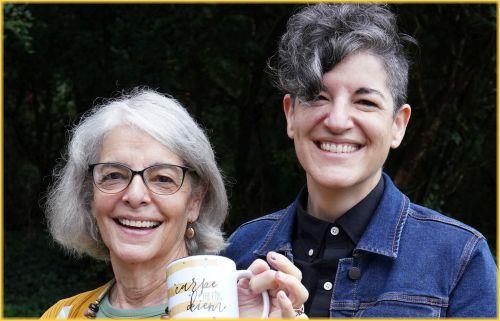
Inviting You to Holding Space: Supporting People in Pain

When we are in pain, uncertainty, grief…
having space held for us
reduces the suffering of isolation and supports us in our challenges.

We sometimes back away from those in pain
because we don’t know what to say…
because we fear hurting them with the wrong words…
because their pain stirs our own fears so profoundly.

Let’s talk about finding words and actions that support others when they are challenged.

Join a conversation with me and Business and Empowerment Coach, SB Rawz, The conversations will be 45 minutes, confidential…and free.

Sunday, November 19, 11:00 AM EST

Wednesday, December 6, 3:00 PM EST

Monday, December 11, 8:00 PM EST

RSVP at calendly.com/sbrawz/holding-space or to me at TheAgeCoach@gmail.com

Winter! Hot Chocolate with Tiny Marshmallows

A cup of hot chocolate with tiny marshmallows, soft music in the background and frost on the windows.

Sounds like a Hallmark winter!

But we need even more for a happy and healthy winter.

As the temperatures fall, it’s important to be intentional about navigating the season. The same activities that make us smile can also protect our bodies and brains.

  • Eat well: Hot chocolate warms the body. Stews and soups, full of vegetables and healthy broth, provide an easy recipe for strength, nutrition, and warmth.
  • Stay hydrated: Add herbal teas and some coffee for warmth and to help blood cells carry nutrients and oxygen to all parts of the body and brain. Fluids have a positive impact on heart health, cognitive alertness, fighting infection…and so much more.
  • Be warm: Maintaining body heat becomes more difficult with age. Layer textured or silky t-shirts under a shirt, topped with a light sweater for inside and a jacket for outside. Thin layers close to the body reserve body heat.
  • Monitor safe travel: Check on the possibility of snow or ice. Plan ahead for someone to clear paths around your house or, better yet, to deliver what you need.
  • Exercise: Exercise is important for the health of the body and brain, but long walks, tennis and a pickup ball game may be out of the question. Winter is a good time, though, to go to the gym for classes to strengthen all parts of the body, challenge the brain, and socialize.
  • Complete a project: Gardening and outside repairs may not be fun in the cold, but you can pick up a project that has been on your mind: organizing photos, thinning out bookshelves, making decisions about household items you haven’t used in years.
  • Learn: What a fine time to settle in with books you have been meaning to read or to learn to play the guitar that is sitting in the corner. Classes at community centers and online offer seemingly unlimited choices for learning new information and skills.
  • And most importantly, socialize: Plan times for long coffees with friends, make regular phone calls, go to community events. Being with people you enjoy can lead to healthier bodies and brains.

Winter can be a “Hallmark moment” when we navigate the season with activities that make us smile.

Would you like to talk about new ways that you…or someone you are caring for… can stay active, healthy and “enjoying life’s hot chocolate”? Contact Dr. Cheryl Greenberg at TheAgeCoach@gmail.com.

Staying Engaged during the Pandemic

We are tired of COVID. We are bored with Zoom meetings and missing our friends and family. Days seem to repeat themselves and, as I hear often from coaching clients, we have more time on our hands, but we seem to be doing less.

It’s OK. We can handle this . . . and we should handle it.

After all, we know that staying actively engaged in work, play and social activities is very important to our mental and physical health and even to our ability to remember and problem solve.

So, what are some creative ways we can jump through the hoops of COVID caution for a while longer?

Congratulate Yourself for Your Successes

First, congratulate yourself for the creative ways you have already stayed active and connected to other people.

Noticing your flexibility and creativity is good for your self-esteem, which in turn increases the “healthy hormones” in your body and brain. You remember better, feel happier and are healthier when you have a sense of accomplishment.

Connect with Others

Many people report that they have adjusted to having less face-to-face time with family and friends and have learned to fly solo for work and entertainment.

However, Dr. Susan Pinker tells us that having regular social contact is incredibly important for our physical and mental health. People who are in regular contact with others have fewer health problems, remember better and even live longer!

So, let’s think of new ways to stay closely connected with others.

  • Invite friends to join you for a book group or a virtual tour of Europe.
  • Use an app, such as Netflix Plus, to watch an award winning movie with family members and discuss the film.
  • Schedule online problem solving meetings for work and volunteering.
  • Use a meeting platform to share your new baking (carpentry, gardening or decorating) skills with family. Invite them to work along with you while you give advice.

Commit to New Learning and Adventures

Create new activities that challenge you physically and mentally. This will perk you up, motivate you, get you involved. And, as Dr. Sanjay Gupta writes, novel activities encourage brains to form new cells and pathways; they improve memory and thinking!

  • Have you wanted to be an advocate for social justice, decreasing hunger, consumer rights? Reach out to local libraries, community centers, interfaith organizations to ask how you can help.
  • Have you always wanted to learn another language or build a computer? Find classes online through university emeritus programs, Shepherd’s Centers, art museums and libraries.
  • Local and national organizations need virtual volunteers. Contact VolunteerMatch.com or local organizations, such as the Volunteer Center of the Triad to match your interests with community needs.
  • Exercise is good for your body and brain . . . and can be done with others virtually. Try a fitness activity that is new and challenging, such as tai chi, yoga or strength training.

Most importantly, create your own connections and adventures for staying engaged during the pandemic. Share them with others and “jump through the hoop of COVID cautions” for a little while longer.

Socializing Safely Today

We know that having regular, caring and stimulating social contact is vital to older adults’ (and everyone else’s!) physical and cognitive health. Sometimes, though, we have to figure out how to stay in touch when visits aren’t possible.

Right now, visiting is inadvisable for many. So, what can children and other caring people do? How creative can you be?

Here are some ideas to start the creativity ball rolling:

  • Help your loved one use digital platforms, such as Facetime or Skype; then have “face to face” conversations.
  • Send text messages full of loving emojis.
  • Email digital greeting cards and photographs.
  • Arrange for delivery of your loved one’s favorite prepared (and safe) meals.
  • Place a bucket of pansies or tulips outside a window to color the view.
  • And, of course, call often. Regular calls, even several short ones during the day, will help your loved one socialize from a distance.